Innovation
Revolutionary technology for planetary exploration
How to jump?
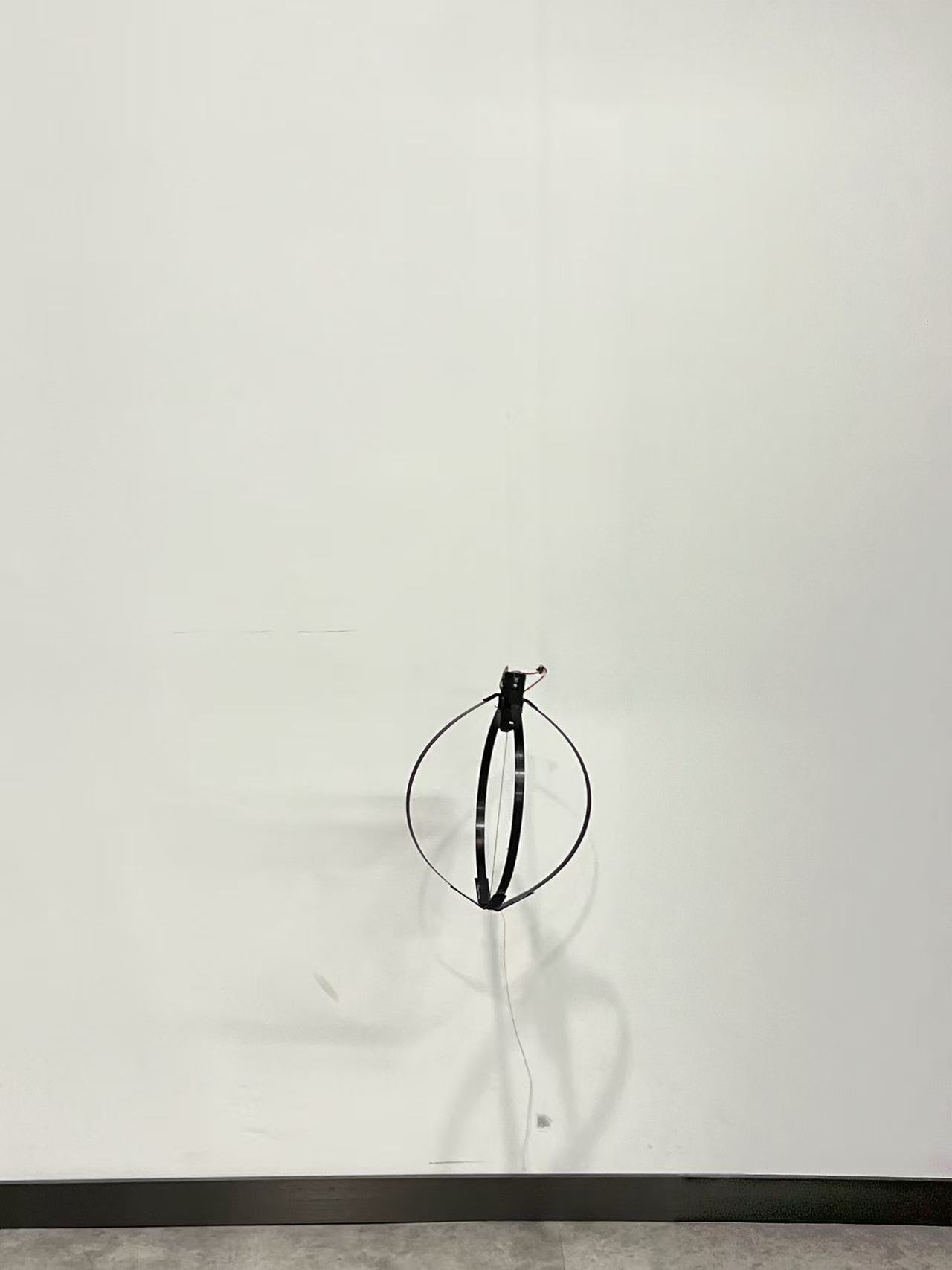
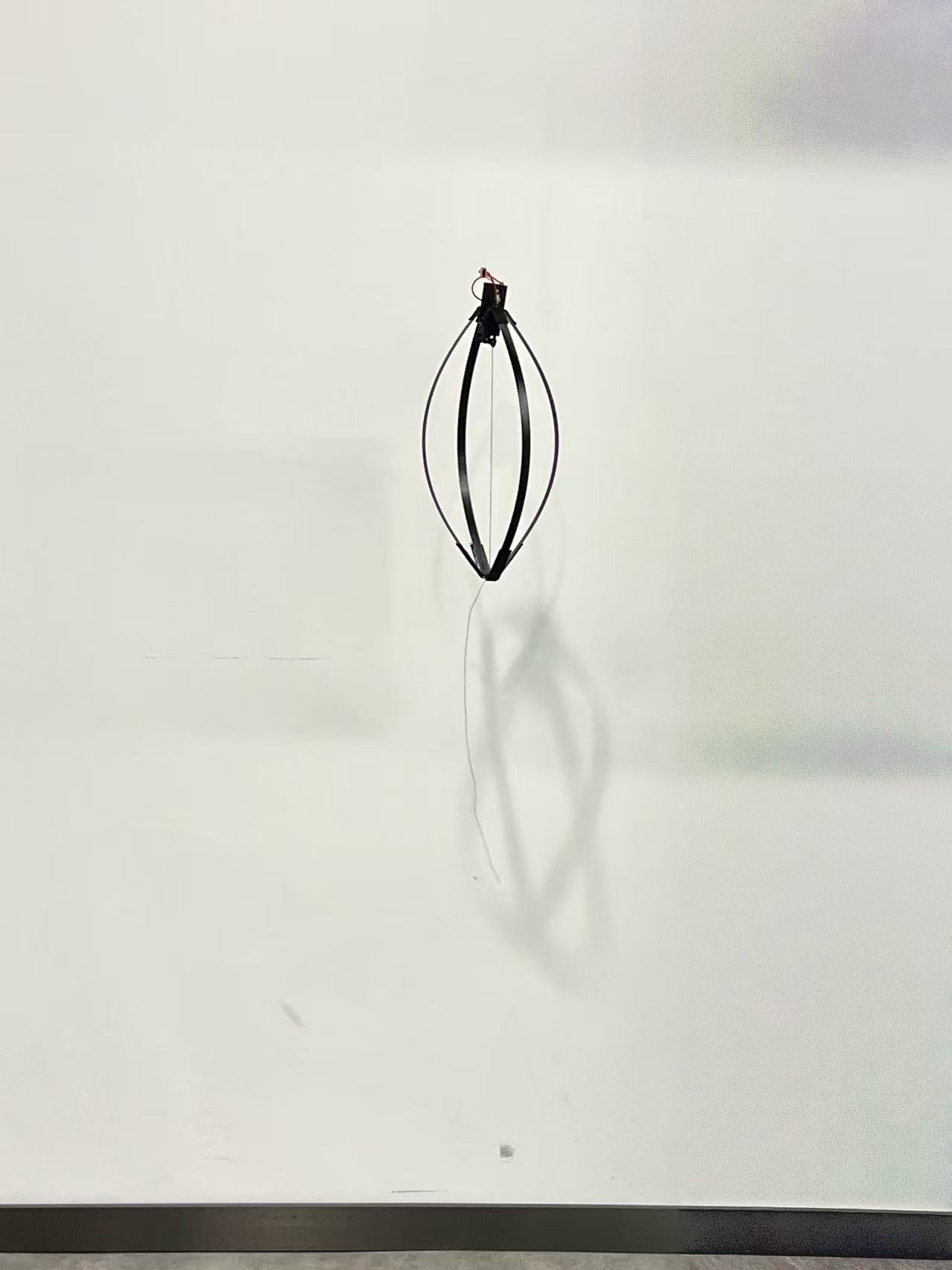
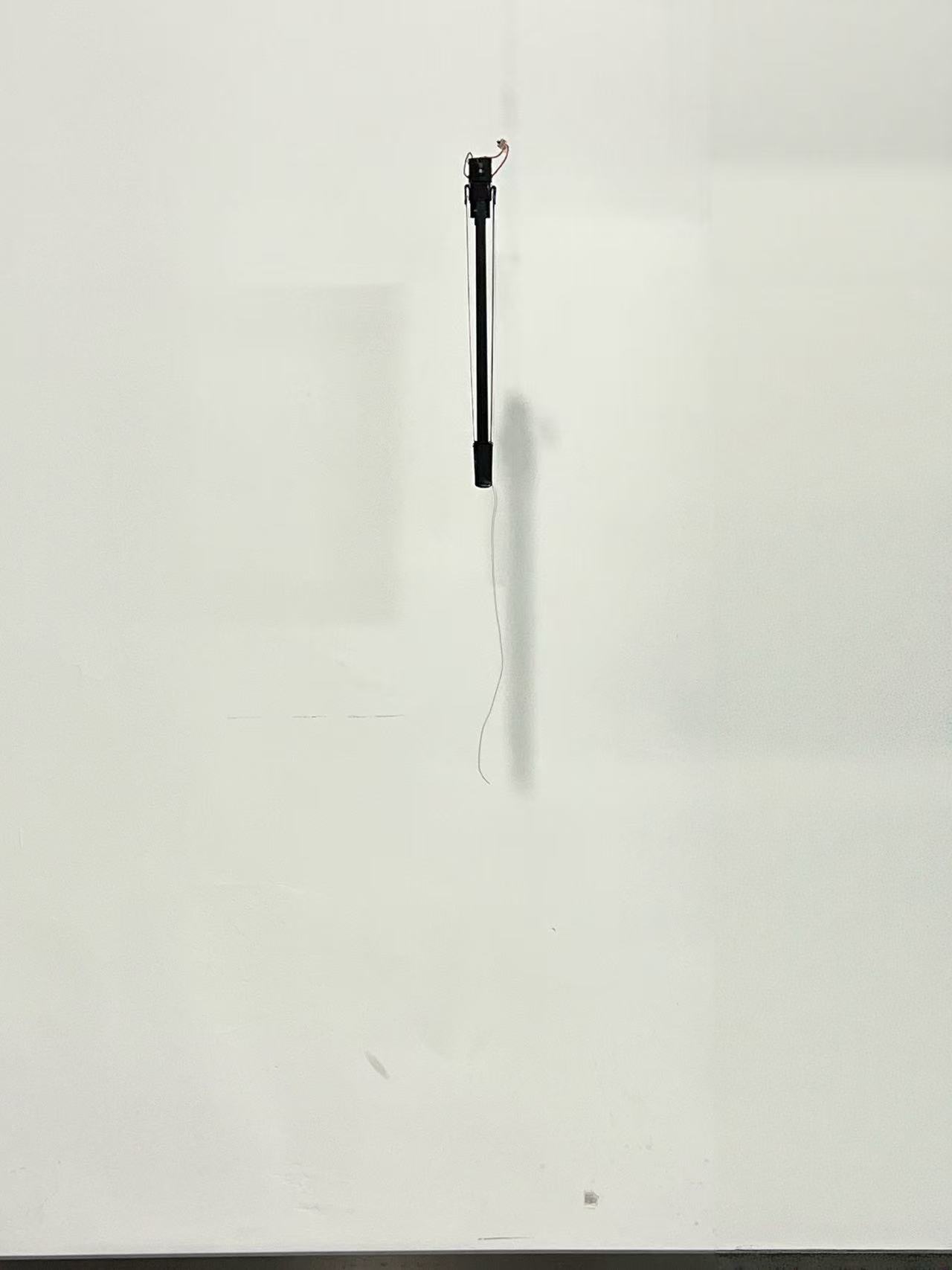
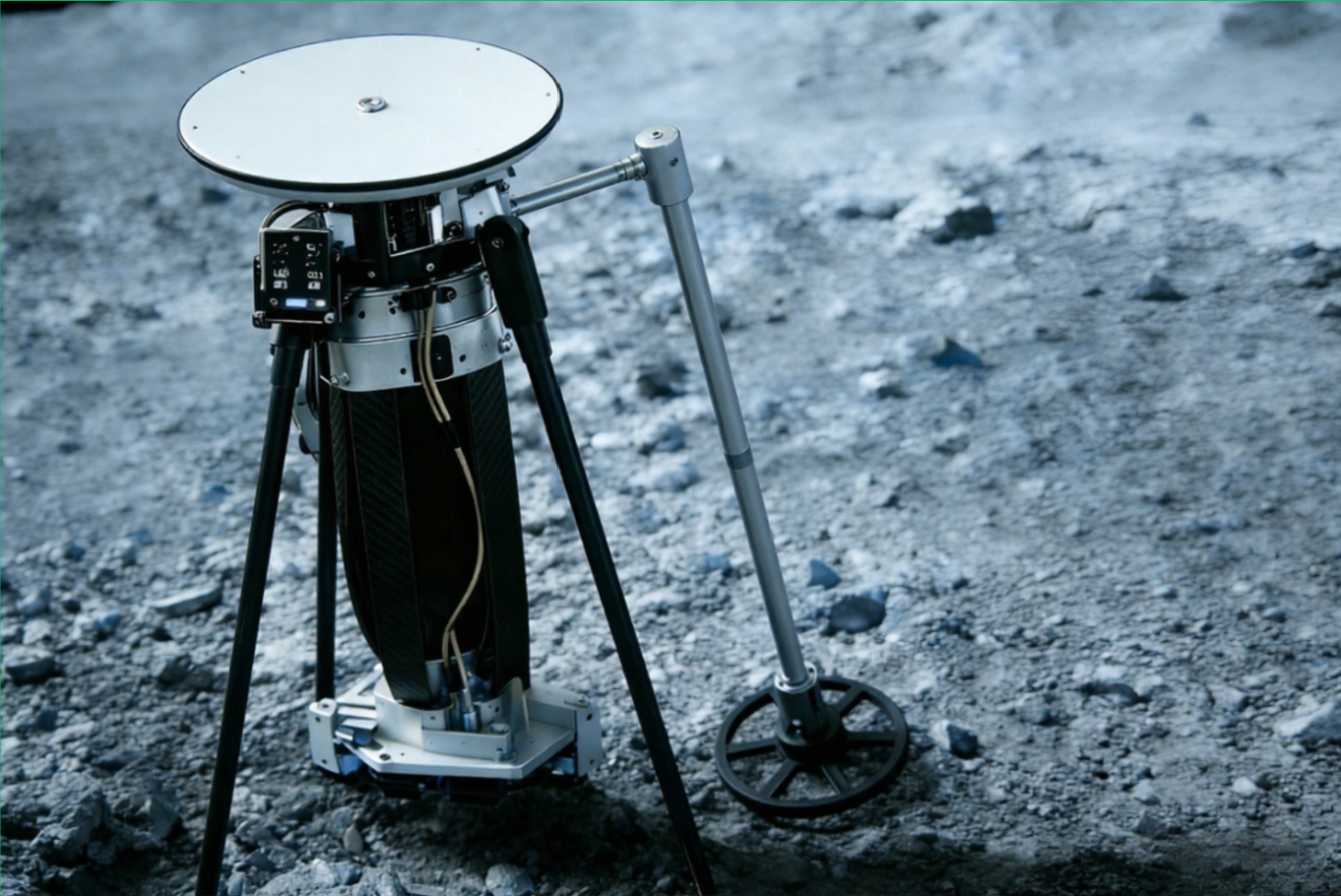
A single motor drives the jump: it pulls in a bottom-attached tether, elastically deforming four carbon fiber plates to store energy. Once the target deformation is achieved, the motor disengages, the tether releases, and the sudden release of stored elastic energy launches the robot skyward.

Detecting equipment
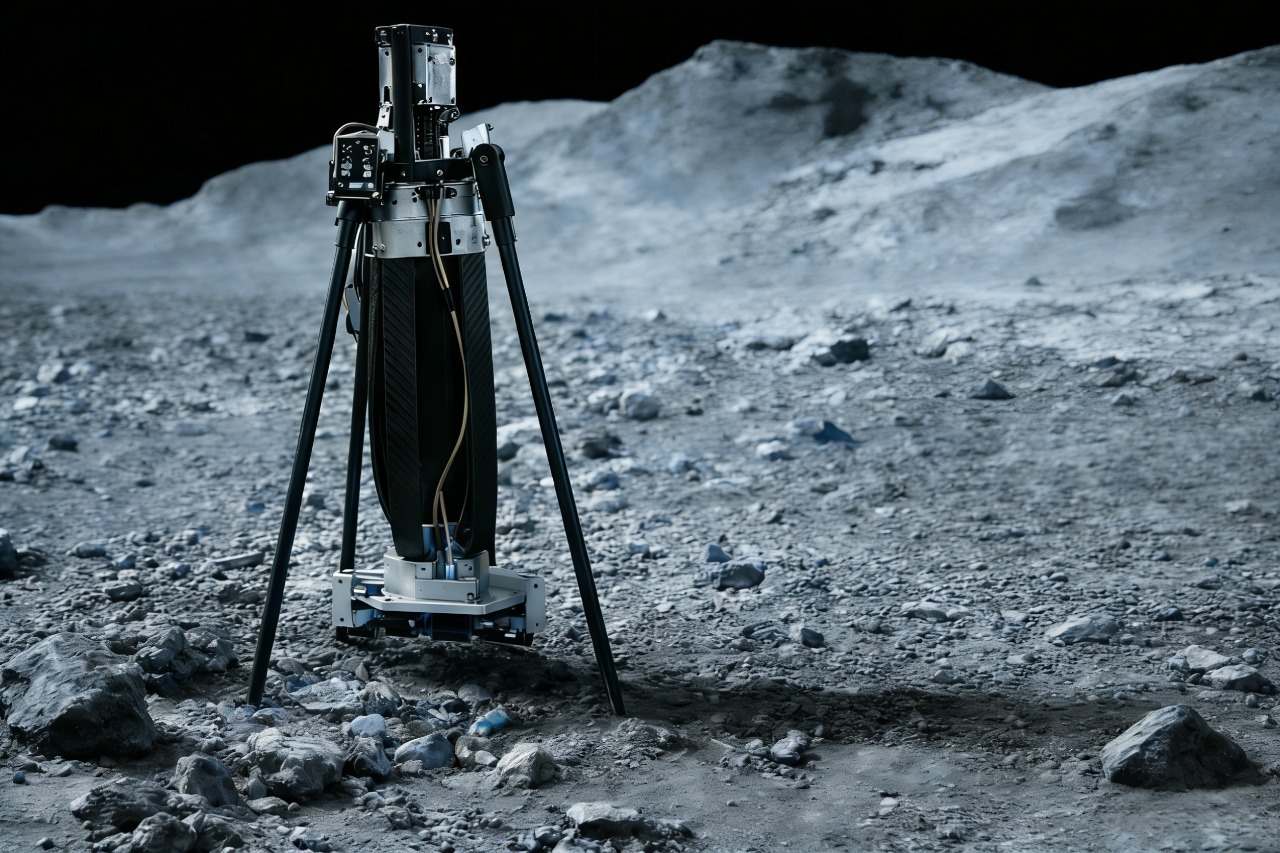
To achieve true ultra-lightweight design, StarLeap tailors specialized equipment for different types of minerals, so each robot no longer needs to handle every possible task. This modular, purpose-built approach significantly reduces the weight of individual units. The foundation that makes all of this feasible is StarLeap's extremely low cost — enabling affordable deployment of specialized, lightweight explorers at scale.
Swarm Intelligence
Multiple StarLeap units can form collaborative networks, sharing data and coordinating exploration efforts. This swarm approach dramatically increases mission coverage and resilience.
Energy Efficiency
energy storage and recovery system maximizes operational time while minimizing power consumption. The elastic leap mechanism recovers energy from each landing, extending mission duration significantly.
Durability & Reliability
Built to withstand extreme temperatures, radiation, and mechanical stress. Our composite materials and redundant systems ensure fault-free operation for extended missions.
Advanced Sensing
Integrated multi-spectral sensors, LIDAR, and terrain analysis systems provide comprehensive environmental data for scientific research and safe navigation.